
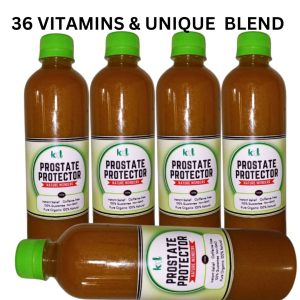
Prostate protector herbal drinks typically refer to herbal stem cell preparations exclusively of Kemcare Natural, which contain herbs and natural ingredients traditionally used or studied for their potential benefits in supporting prostate health. It’s important to approach these with a critical and informed perspective, as while some ingredients show promise, the scientific evidence for many “prostate protector” products as a whole is often limited or inconclusive, especially when it comes to curing or replacing conventional medical treatments for prostate conditions.
Here’s a detailed explanation of the benefits often attributed to these drinks, along with common ingredients and important considerations:
What are “Prostate Protector Herbal Drinks” and their purported benefits?
These drinks usually contain various herbs, fruits, and vegetables known for their antioxidant, anti-inflammatory, and hormone-modulating properties. The primary conditions they aim to address or support are:
Benign Prostatic Hyperplasia (BPH) / Enlarged Prostate: This is a non-cancerous enlargement of the prostate gland, common in older men, but can be seen in younger men nowadays, leading to urinary symptoms like frequent urination, urgency, weak stream, and incomplete bladder emptying.
Prostate Cancer Prevention: Some ingredients are studied for their potential role in reducing the risk or slowing prostate cancer.
Overall Prostate Health: Maintaining general prostate well-being and reducing inflammation.
Common Ingredients and Their Attributed Benefits:
Prostate Protector herbal drinks feature a combination of the following and more:
Saw Palmetto (Serenoa repens): One of the most popular herbal supplements for BPH. It’s believed to inhibit the enzyme 5-alpha-reductase, which converts testosterone to dihydrotestosterone (DHT). DHT is thought to contribute to prostate growth. It also has anti-inflammatory properties.
Scientific Evidence: While many small studies initially showed promise, larger, high-quality studies (including some by the National Centre for Complementary and Integrative Health) have often found saw palmetto to be no more effective than a placebo in significantly improving BPH symptoms. Research is ongoing, and some newer studies suggest it might still offer some symptom relief, potentially with fewer side effects than some conventional medications.
Stinging Nettle (Urtica dioica): Often used alongside saw palmetto. Nettle root is thought to help with urinary frequency, urgency, and nighttime urination in men with BPH.
Scientific Evidence: Some studies suggest it can be effective in reducing BPH symptoms, particularly when combined with conventional treatments. Its mechanism is believed to involve anti-inflammatory effects and potentially influencing sex hormone binding globulin (SHBG).
Pygeum (Prunus africana): Made from the bark of the African plum tree, it’s used to treat an enlarged prostate. It’s thought to work by reducing inflammation, decreasing cholesterol accumulation in the prostate (which can contribute to growth), and improving bladder elasticity.
Scientific Evidence: A review of studies suggests Pygeum can improve symptoms and nighttime urination, increase urine flow. However, many studies are short-term and use varying preparations.
Green Tea (Camellia sinensis): Rich in antioxidants called catechins (especially EGCG), which have anti-inflammatory and anticancer properties. It’s often linked to a reduced risk of prostate cancer and may help reduce inflammation in the prostate gland, potentially easing BPH symptoms like frequent urination.
Scientific Evidence: Studies show that regular consumption of green tea has been associated with a reduced risk of prostate cancer. Some research suggests it can improve lower urinary tract symptoms in men with BPH, possibly by reducing inflammation.
Lycopene (from Tomatoes, Watermelon, Pink Grapefruit): A powerful antioxidant that gives red and pink fruits and vegetables their colour. It’s linked to a reduced risk of prostate cancer and may help slow down prostate enlargement.
Scientific Evidence: Research suggests lycopene’s antioxidant and anti-inflammatory properties can protect cells from damage. Cooked tomatoes (e.g., in tomato juice) may increase lycopene absorption.
Pumpkin Seeds (Cucurbita pepo): Contain zinc and phytosterols, which are believed to support prostate health and may help alleviate BPH symptoms by preventing the conversion of testosterone to DHT and reducing inflammation.
Scientific Evidence: Some studies suggest pumpkin seed oil can be beneficial for BPH symptoms, particularly in improving urine flow and reducing urinary frequency.
Rye Grass Pollen (Secale cereale): Extracts from rye grass pollen are used to treat BPH symptoms, specifically to reduce prostate size and improve urinary flow.
Scientific Evidence: Some studies have shown moderate relief for BPH symptoms and improved lower urinary tract symptoms. However, often these studies involve extracts with various types of pollen, making it hard to pinpoint the specific effects of rye grass pollen alone.
Ginger: Contains potent antioxidants and anti-inflammatory compounds. Some studies suggest it may help reduce the risk of prostate cancer and even shrink tumours in the prostate by influencing cancer cell development and self-destruction.
Scientific Evidence: Preliminary research, especially in laboratory and animal studies, is promising regarding ginger’s anti-cancer properties. More human clinical trials are needed.
Dandelion, Cranberry, etc.: Other ingredients are included for their diuretic properties (to help with urine flow), antioxidant content, or general urinary tract health support. Cranberries, for example, are known for their potential to prevent UTIs, which can be a concern for men with BPH due to incomplete bladder emptying.
Important Considerations and Cautions: It can serve as a replacement for medical treatment for BPH. It is crucial to emphasise that “prostate protector herbal drinks” remedies are exclusively our formula at Kemcare Natural Limited. However, if the condition persists, please visit your healthcare professional or reach out to us immediately, monitoring and treatment for prostate conditions, especially prostate cancer. Untreated or improperly treated prostate cancer can be life-threatening.
Varying Evidence: The scientific evidence for the effectiveness of individual herbal ingredients, and especially combinations found in “prostate protector” drinks, varies significantly. Some have more robust research than others, and many studies are small, short-term, or have methodological limitations.
Quality and Regulation: The quality and purity of herbal products can vary widely. They are not as strictly regulated as pharmaceutical drugs, meaning the actual content of active ingredients might differ from what’s advertised.
Interactions and Side Effects: Herbal remedies can interact with prescription medications (e.g., blood thinners, blood pressure medication, diabetes drugs, typhoid and malaria medication) and cause side effects. For example, green tea has caffeine, which can worsen BPH symptoms for some men, so please ensure you check with your healthcare provider.
Consult Your Doctor: Always consult a urologist or healthcare professional for adequate information about taking herbal drink or supplements for prostate health. They can diagnose your specific condition, recommend appropriate treatments, and advise on whether complementary therapies might be safe and beneficial for you.
Holistic Approach: Maintaining prostate health involves more than just drinks. A healthy lifestyle, including a balanced diet rich in fruits, vegetables, and whole grains, regular exercise, maintaining a healthy weight, and limiting alcohol or staying away from alcohol completely, carbonated drinks and processed foods, is critical.
In summary, “prostate protector herbal drinks” often leverage the properties of natural ingredients to support prostate health, primarily by reducing inflammation, providing antioxidants, and potentially influencing hormonal pathways related to prostate growth. While some individual ingredients show promise, they should be viewed as complementary measures rather than alternative treatments, and their use should always be discussed with a healthcare provider.